Short answer: Manufacturers say a well maintained mini split lasts about 10 to 15 years. Carrier says up to 20 for premium systems, and Bryant publishes a 15 to 20 year range. Quality installation, regular filter cleaning, yearly service and climate decide where your unit lands. Age alone is not a reason to replace it.
What the makers say
- Carrier: When properly maintained, a high-quality system generally lasts between 10 and 15 years, with premium systems sometimes lasting up to 20 or more. It also says plan to replace a unit every 10 to 15 years.
- Bryant: The average lifespan is 12 to 15 years. High-quality systems can run up to 20 years with proper maintenance, and Bryant publishes a 15 to 20 year service-life range for properly installed and maintained units.
- Contractors quoted by both: One quoted by Carrier sees 12 to 15 years in practice. One quoted by Bryant says most should last more than 10 years if installed and maintained properly.
These are manufacturer claims, not independent test results. They agree on the pattern: about a decade at the low end, a bit more with care, and 20 only for good units that were looked after.
What affects the lifespan
Bryant lists installation quality, how much the system runs, maintenance and environment. Carrier adds equipment quality and usage habits.
- Installation. Both Bryant and the Building America Solution Center (a Department of Energy program) put installation quality high. BASC says quality installation is arguably more important than the make and model for performance, efficiency and longevity. It also warns that too much or too little refrigerant can cause premature component failures.
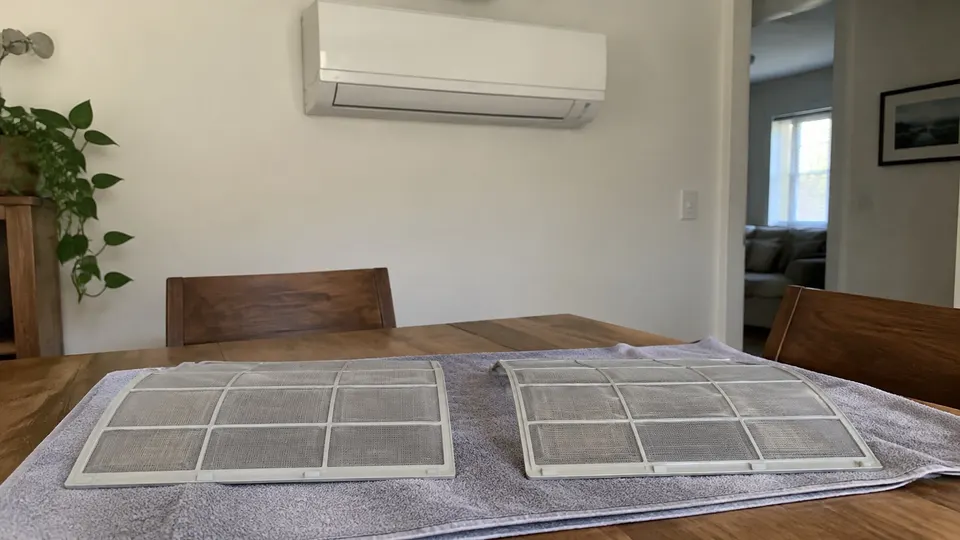
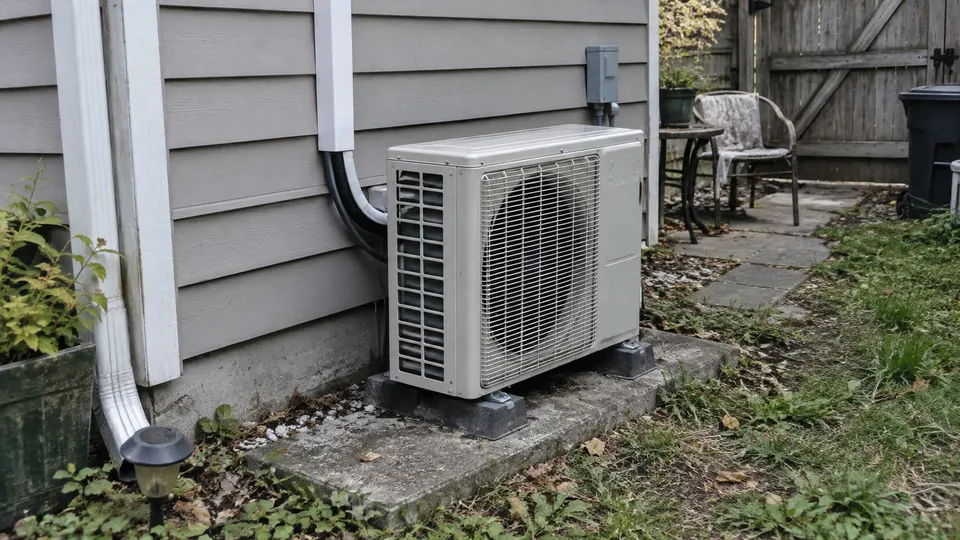
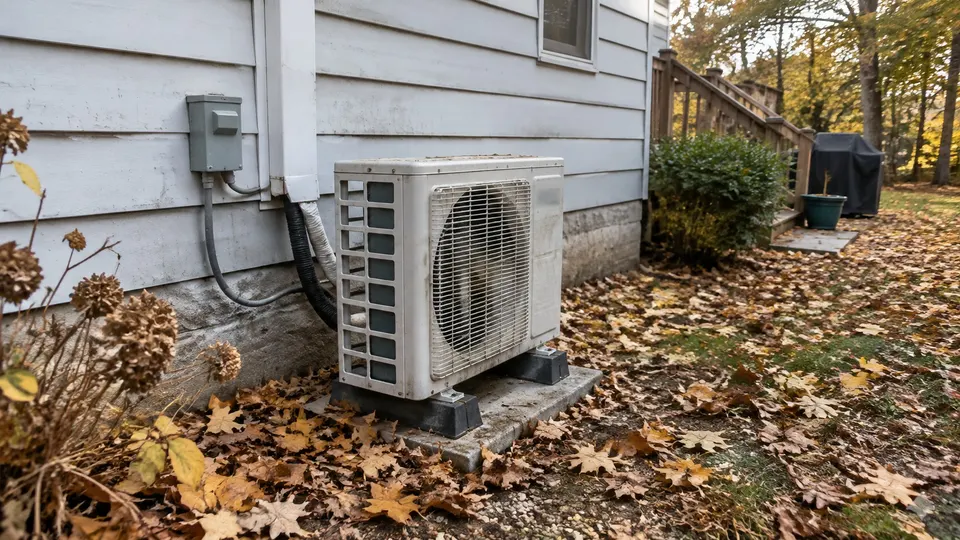
- Filters and cleaning. Carrier says to clean indoor filters monthly and keep leaves and snow off the outdoor unit. See how to clean a mini split.
- Yearly service. Carrier recommends annual inspections. Trane says a pro visit should clean the indoor and outdoor units, check for refrigerant leaks and check electrical connections.
- How hard it runs. A unit that heats and cools year round has more operating hours than one used a few months a year. Bryant says climate, settings and demand all affect wear.
- Salt air and extremes. Bryant says coastal salt air and big temperature swings can speed up corrosion and wear on the outdoor unit.
- Inverter operation. Carrier says variable speed compressors reduce stress on parts compared to systems that start and stop at full power.
Signs it may be near the end
Carrier lists frequent repairs, failing components and loss of efficiency as reasons to talk to a pro about replacement. Bryant says to weigh condition, repair history, performance and the cost of continued repairs. A few things that point that way:
- Repair calls are getting more frequent
- The same error code keeps coming back (see Fujitsu, LG or Mitsubishi codes)
- It cools or heats much worse than it used to, even with clean filters
- Parts are hard to find for your model
A technician can tell you whether a repair is worth it. Do not try refrigerant or electrical repairs yourself.
What helps most
The maintenance advice from Carrier, Bryant and Trane comes down to these habits.
- Clean the filters on schedule
- Keep the outdoor unit clear
- Have it serviced once a year
- Fix drips and odd noises early. See mini split leaking water
Related reading
- Brand matters when you buy, so see who makes Cooper&Hunter.
Sources
- Carrier: How long do mini splits last?
- Bryant: How long do mini splits last?
- Building America Solution Center: Ductless (mini-split) heat pumps
- Trane: Do mini-splits turn off when temperature is reached (maintenance visit list)
This is general information from manufacturers and a federal program.