Short answer: Cooper&Hunter is an HVAC brand that says it was founded in 1996 and sells in more than 50 countries. Its own About page says the majority of its HVAC equipment is made at its main production facility in China, in Zhuhai, which it renamed after a 2017 partnership. In the United States the brand works through distributors, so you usually buy through an HVAC dealer, not directly.
What Cooper&Hunter says about itself
From Cooper&Hunter's own About pages:
- Its global site says the brand has more than 20 years of experience in air conditioning and ventilation, and that products are exported to more than 50 countries and regions.
- It says that in 2017 the company signed agreements for a long-term strategic partnership with Zhuhai Vino Environmental Technology Equipment Co. Ltd, with a company stock share purchase, and that the factory in Zhuhai got the new name Zhuhai Vino-Cooper&Hunter Environmental Technology Equipment Co. Ltd.
- It says the majority of its HVAC equipment is manufactured at its main production facility in China.
- Its US About page says the brand was founded in 1996, is a global HVAC brand with three decades of experience, and has a presence in more than 50 countries. In the US, it says it keeps extensive inventory and works with distribution partners and HVAC professionals.
These are the company's own statements. The two pages use slightly different wording for the company's age, so both statements are included.
What this means for you
- You will mostly buy through a dealer. The US page talks about distributors and HVAC professionals, so ask a local dealer for stock, pricing and install help. If you buy online, check who the warranty is with.
- Ask about parts. Ask the seller who ships parts and how long it takes.
- Ask about the labor warranty. Parts warranty and labor warranty are different. Ask your installer what they cover.
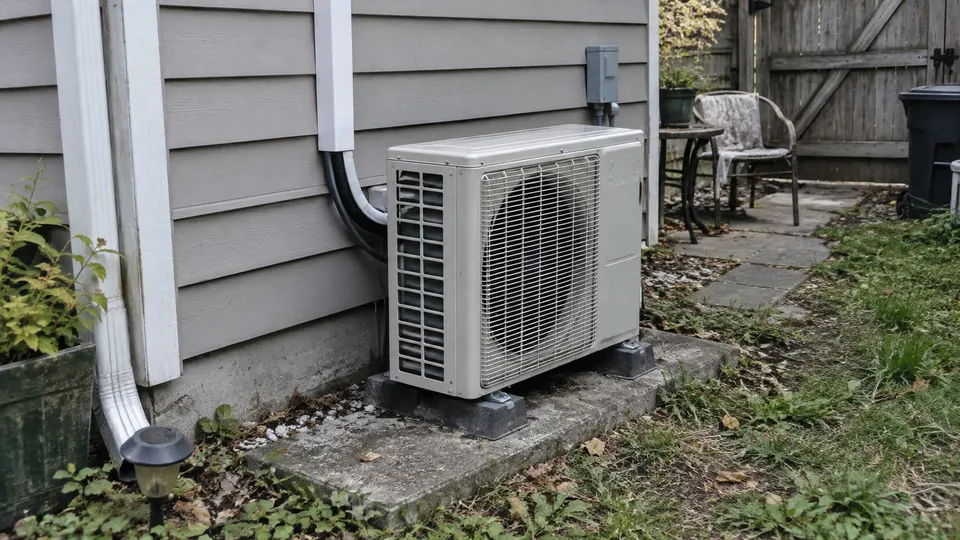
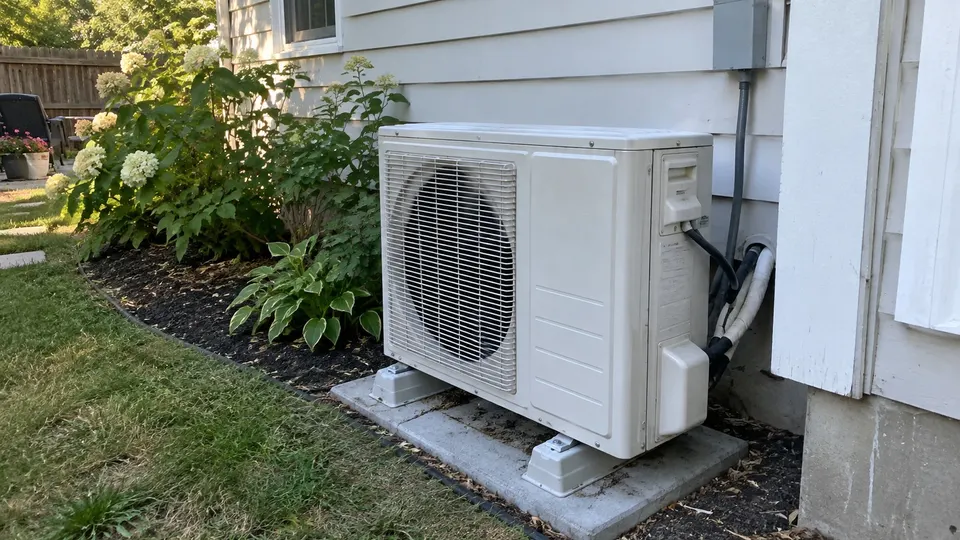
- Keep your model and serial number. They are on the label on the unit. Write them down.
What it says about support and testing
These are also the company's own claims, so treat them as claims.
- US support. The US About page says Cooper&Hunter keeps a large inventory in the United States and works with distribution partners. It says in-house technical support teams in Florida and Texas help with applications, installation, startup, diagnostics and troubleshooting, and that a US parts department supplies replacement parts. It lists a head office in Doral, Florida.
- Product range. It says the US line has residential mini splits and split systems, plus a commercial line of VRF units.
- Safety standards. The global page says its products are certified to major testing standards in the USA, Canada and the European Union, and it shows an ETL mark, which it says confirms compliance with US and Canadian safety and quality standards.
- Quality claims. The same page claims less than 0.2% defect claims and 100% testing of all components. It also says its units use the refrigerants R-32 and R290. We have not verified these figures, so ask your dealer which refrigerant your exact model uses.
Questions to ask before you buy
A brand page cannot tell you how a store or installer will treat you, so ask them directly.
- Who handles the warranty claim, the dealer or the brand?
- Who is the local installer, and do they work with this brand's training and parts department?
- Is the model in stock locally, and does the indoor unit match the outdoor unit on the quote?
- Which refrigerant does this exact model use?
Write the answers on the quote. Keep the model and serial numbers from the unit label with your receipt.
If you own one already
The basic care is the same for every brand:
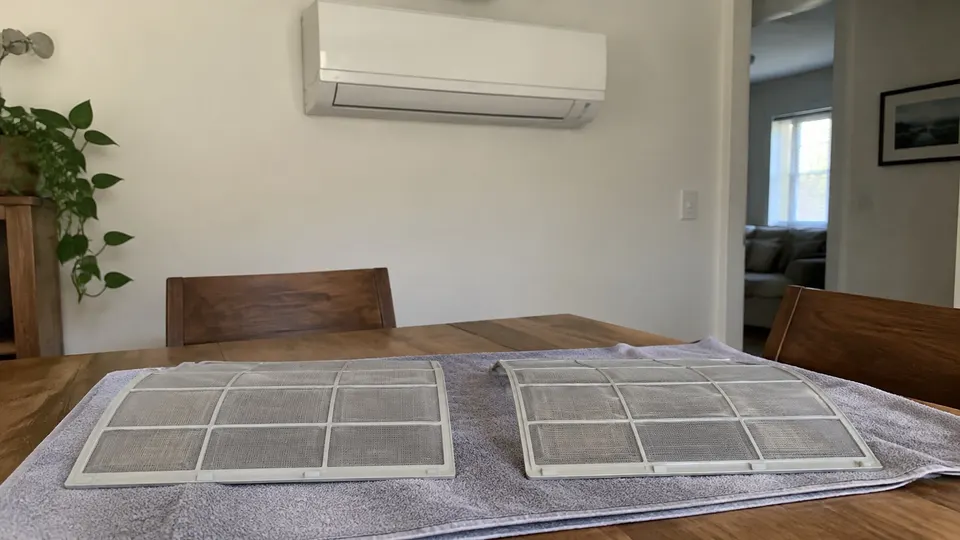
- Clean the filters. See how to clean a mini split.
- If it leaks, see mini split leaking water.
- If it freezes, see why a mini split freezes up.
- For error codes, use your Cooper&Hunter manual, because codes differ by brand and series.
When to call a technician
Call a licensed HVAC technician for ice that returns, error codes that return after a restart, a hissing sound, or a tripping breaker. Do not open the electrical panel or touch the refrigerant lines.
Sources
This is general information based on the company's own pages, not a recommendation to buy or avoid any brand.